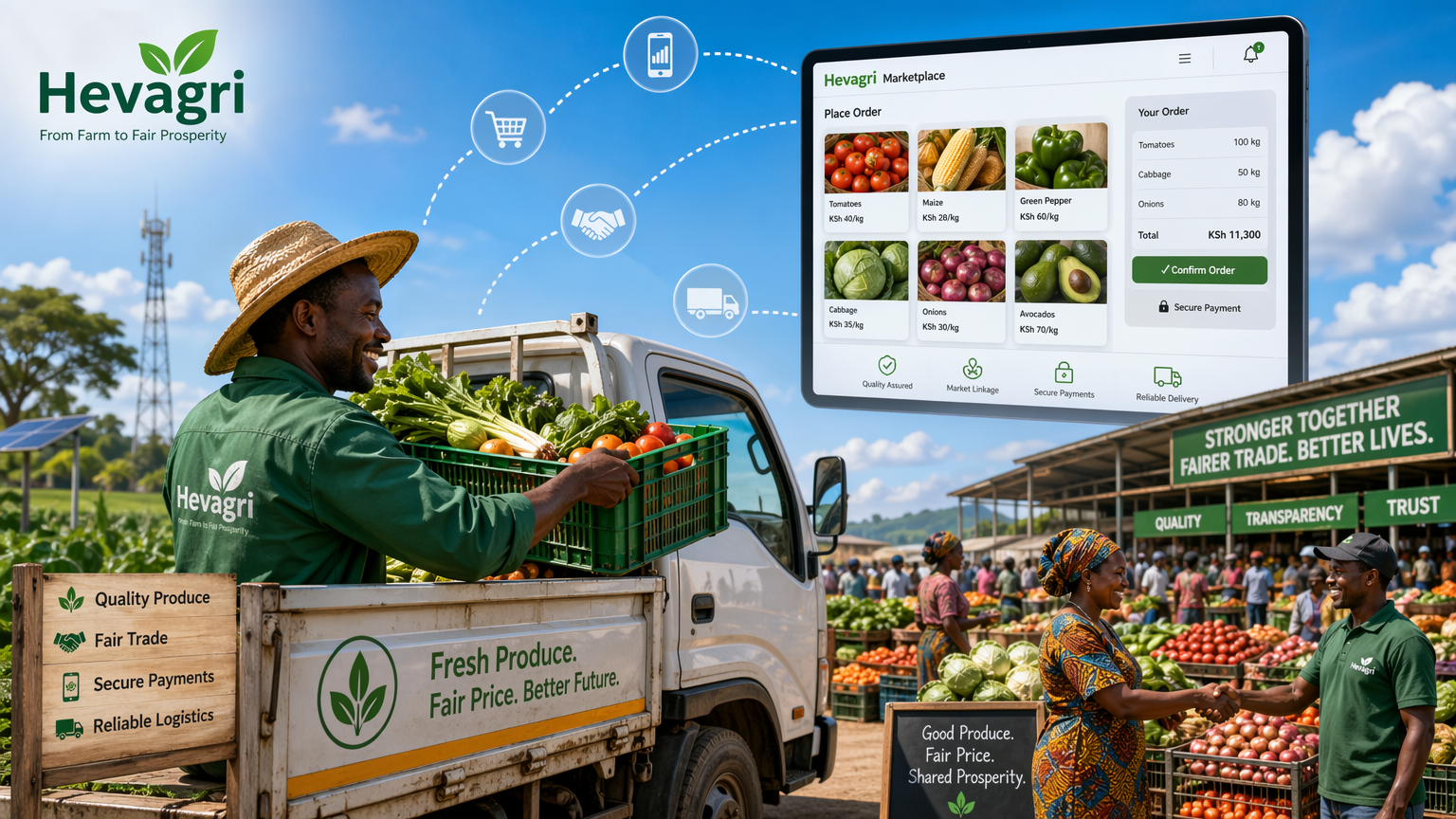
The journey of food from the farm to the consumer's fork is a complex web known as the agricultural supply chain. For smallholder farmers, navigating this chain can be fraught with challenges, including limited market access, price volatility, post-harvest losses, and unfair trading practices. However, advancements in technology and a growing global demand for sustainably sourced food are reshaping these chains, creating unprecedented opportunities.
From Farm to Fork: Navigating the Future of Agricultural Supply Chains
Key Challenges and Opportunities in African Agricultural Supply Chains
African smallholder farmers often face unique hurdles in connecting their produce to markets:
Challenges:
Infrastructure Deficiencies: Poor roads, limited cold storage, and inadequate transportation networks lead to significant post-harvest losses.
Information Asymmetry: Lack of real-time market price information leaves farmers vulnerable to exploitation by middlemen.
Limited Access to Finance: Inability to secure loans for aggregation, processing, or transportation hinders market participation.
Quality Control: Difficulties in meeting stringent quality and safety standards required by larger buyers or export markets.
Opportunities:
Digital Marketplaces: Platforms like Hevagri's Marketplace directly connect farmers to buyers, bypassing intermediaries and ensuring better prices.
Value Addition: Processing raw produce into higher-value goods (e.g., dried fruits, milled grains) can significantly increase income and extend shelf life.
Traceability and Transparency: Consumers are increasingly demanding to know the origin of their food. Technology like blockchain can provide end-to-end traceability, building trust and opening premium markets.
Logistics Innovation: Mobile-based logistics solutions and improved cold chain technologies are making it easier and more affordable to transport perishable goods.
Hevagri's Role in Optimizing Supply Chains
Hevagri is designed to be a catalyst for change in agricultural supply chains, providing tools and connections that empower farmers:
Hevagri Marketplace: Our integrated marketplace directly links farmers with a wide network of buyers, including local retailers, processors, and even export markets. This reduces reliance on traditional middlemen, ensuring farmers receive a fairer share of the final price.
Farm ERP & Dashboard: Farmers can use the ERP system to track inventory, manage orders, and monitor sales data. The dashboard provides insights into market trends and demand, helping farmers make informed decisions about what to plant and when to sell.
AgriMind AI: Offers predictive analytics on market prices and demand forecasts, allowing farmers to plan their production and sales strategies more effectively.
Community Forum: Facilitates knowledge sharing on best practices for post-harvest handling, quality control, and accessing new markets. Farmers can also form cooperatives to aggregate produce, increasing their bargaining power and reducing transportation costs.
Funding Hub: Provides access to financing for investments in post-harvest infrastructure, processing equipment, or transportation, enabling farmers to move up the value chain.
By leveraging the Hevagri platform, farmers can overcome traditional supply chain barriers, reduce losses, and unlock new economic opportunities. We are building a future where every farmer has direct access to fair and efficient markets, transforming the agricultural landscape from farm to fork.