Water is the undisputed lifeblood of agriculture. Without it, even the most fertile soil and the best seeds cannot produce a harvest. Yet, for millions of farmers around the world, water availability is becoming increasingly erratic and unpredictable. Climate change is altering historical rainfall patterns, leading to prolonged droughts in some regions and devastating floods in others.
Water Wealth: Affordable Rainwater Harvesting for Every Farm
Simple, Effective Harvesting Techniques
The beauty of rainwater harvesting lies in its simplicity and adaptability. Farmers can implement various techniques based on their specific landscape, resources, and needs. Here are some of the most effective, low-cost methods:
Strategic Farm Ponds (Recharge Pits):
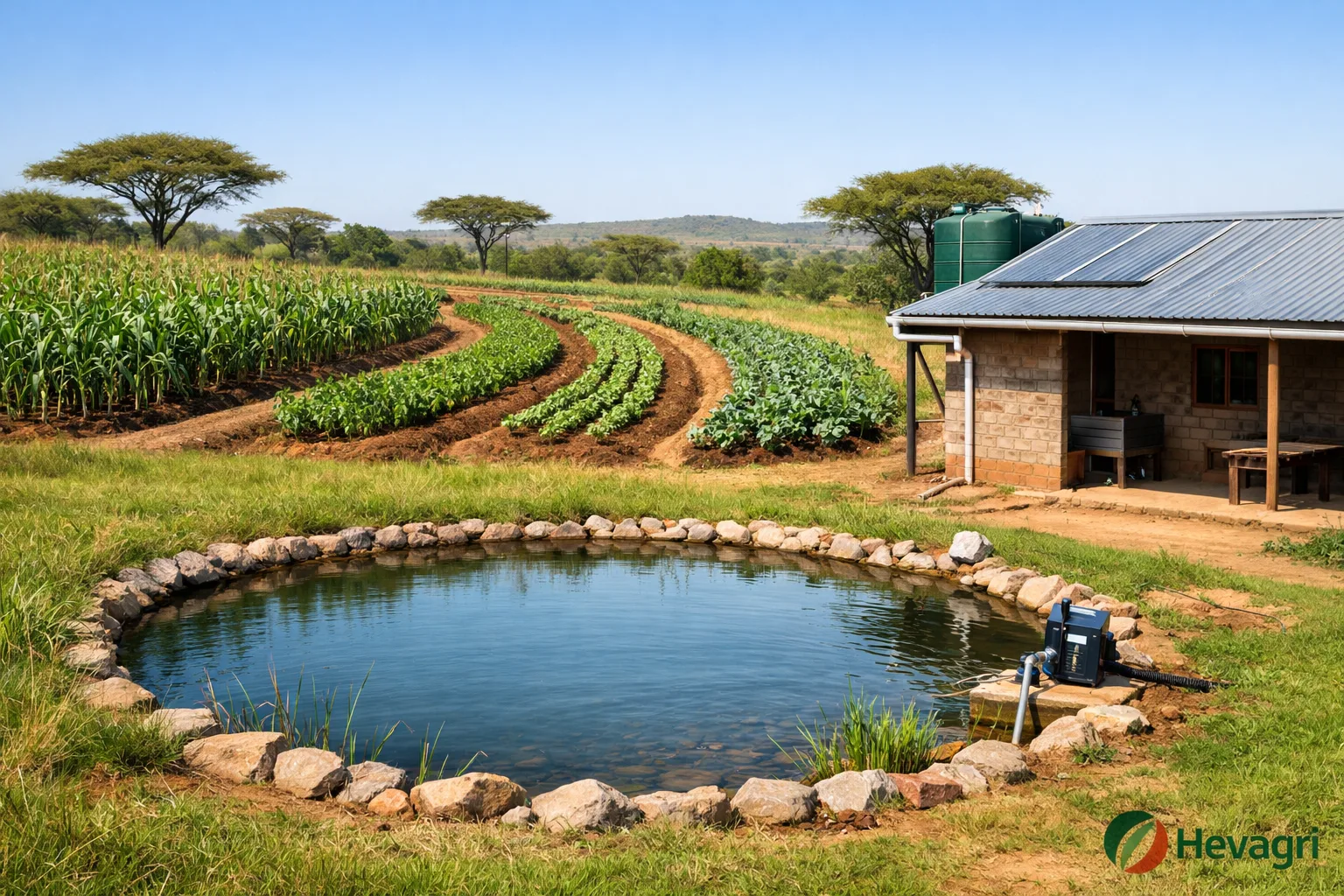
One of the most impactful methods is the construction of farm ponds. By digging small, strategically placed pits in low-lying areas of the farm, farmers can capture thousands of liters of surface runoff during the rainy season. These ponds can be lined with affordable plastic sheets or natural clay to prevent excessive seepage. The stored water can then be used for critical life-saving irrigation during dry spells, ensuring crop survival when it matters most.
Contour Bunds and Trenches:
On sloping land, water tends to run off quickly, carrying valuable topsoil with it and failing to penetrate the ground. Constructing simple earth barriers (bunds) or digging shallow trenches along the natural contour lines of the slope slows down this runoff. This gives the water time to soak deep into the soil, improving soil moisture levels and naturally recharging the local groundwater table.
Rooftop Collection Systems:
Every roof is a potential catchment area. Even small farm sheds, houses, or animal shelters can be fitted with basic, inexpensive gutters made from PVC pipes or even split bamboo. These gutters channel the rainwater into storage tanks, barrels, or covered pits. This clean, harvested water is ideal for maintaining kitchen gardens, providing drinking water for livestock, or even for household use.
Repurposing Old or Dry Wells:
Many farms have old, unused, or dry wells. Instead of abandoning them, these structures can be repurposed as excellent rainwater recharge points. By directing filtered surface runoff from fields or rooftops into these wells, farmers can actively help replenish the deeper groundwater aquifers, benefiting the entire local ecosystem.
Building Resilience with Hevagri
Rainwater harvesting is not just about storing water; it is a fundamental strategy for building agricultural resilience. By capturing the water that falls for free, Hevagri farmers can protect their crops, their income, and their future against the growing threat of water scarcity. The Hevagri platform provides a space for farmers to share their successful harvesting designs, learn about government subsidies or funding opportunities for water projects, and collaborate on community-wide water management strategies. Together, we can turn unpredictable rainfall into reliable water wealth.